The Subscription Hangover Nobody Saw Coming
Not long ago, wine clubs felt like the future of direct-to-consumer sales. Wineries rushed to build recurring revenue through monthly shipments, tiered membership perks, and curated boxes with tasting notes tucked inside. Craft breweries experimented with beer-of-the-month programs. Small-batch distilleries offered reserve barrel selections to loyal subscribers. The model made sense on paper: predictable cash flow, built-in loyalty, lower acquisition costs.
Then came the fatigue.
Subscription cancellations across the beverage alcohol category have climbed steadily since 2022, mirroring a broader consumer pullback from subscription overload. According to research from the Direct-to-Consumer Wine Shipments Report, winery club membership churn has become one of the most cited challenges in producer surveys. Consumers who once loved the convenience of curated bottles arriving at their door are now feeling the financial pinch — and, frankly, the emotional disconnect that comes with receiving wine, beer, or spirits they didn’t choose in a moment of genuine desire.
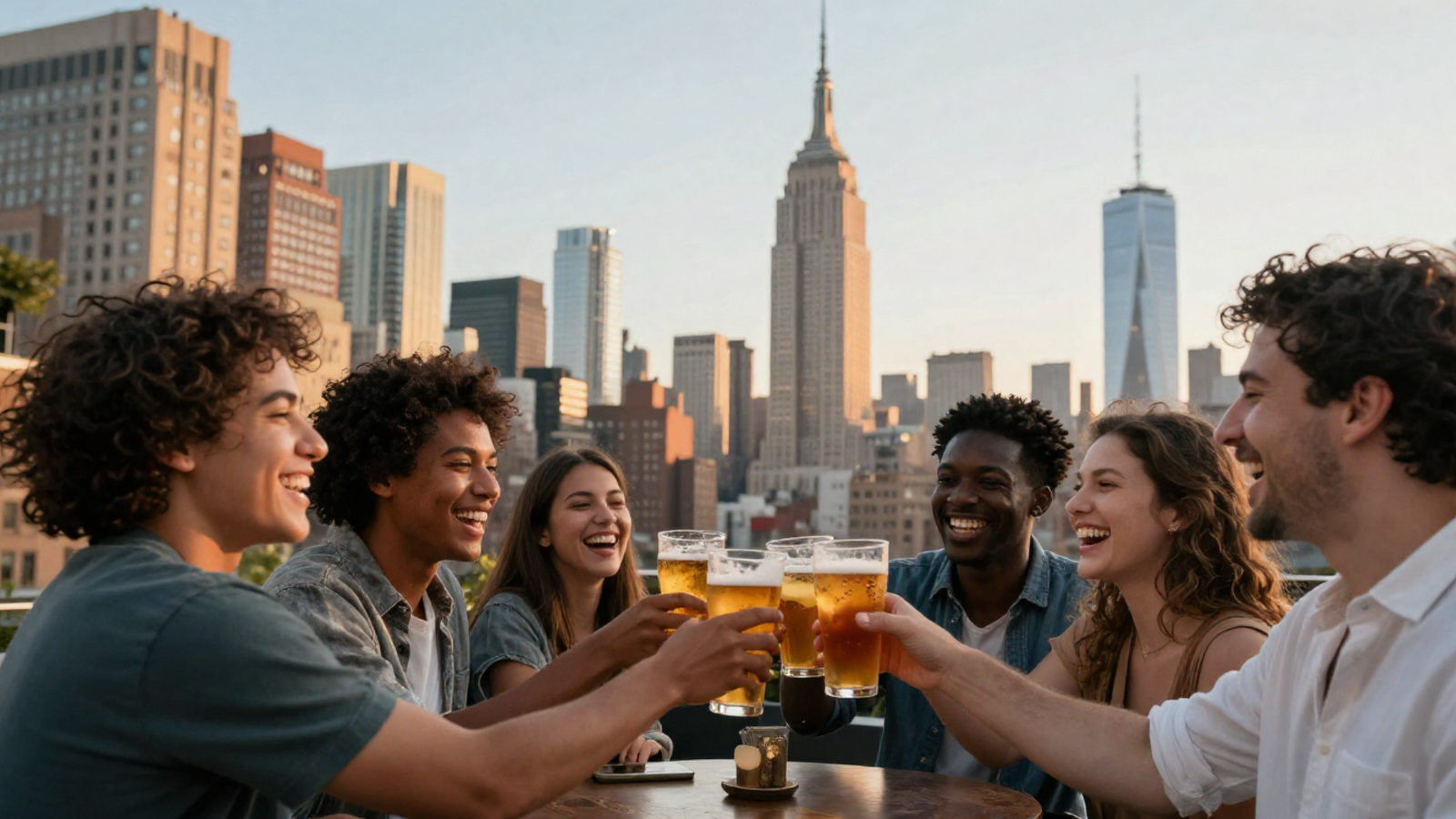
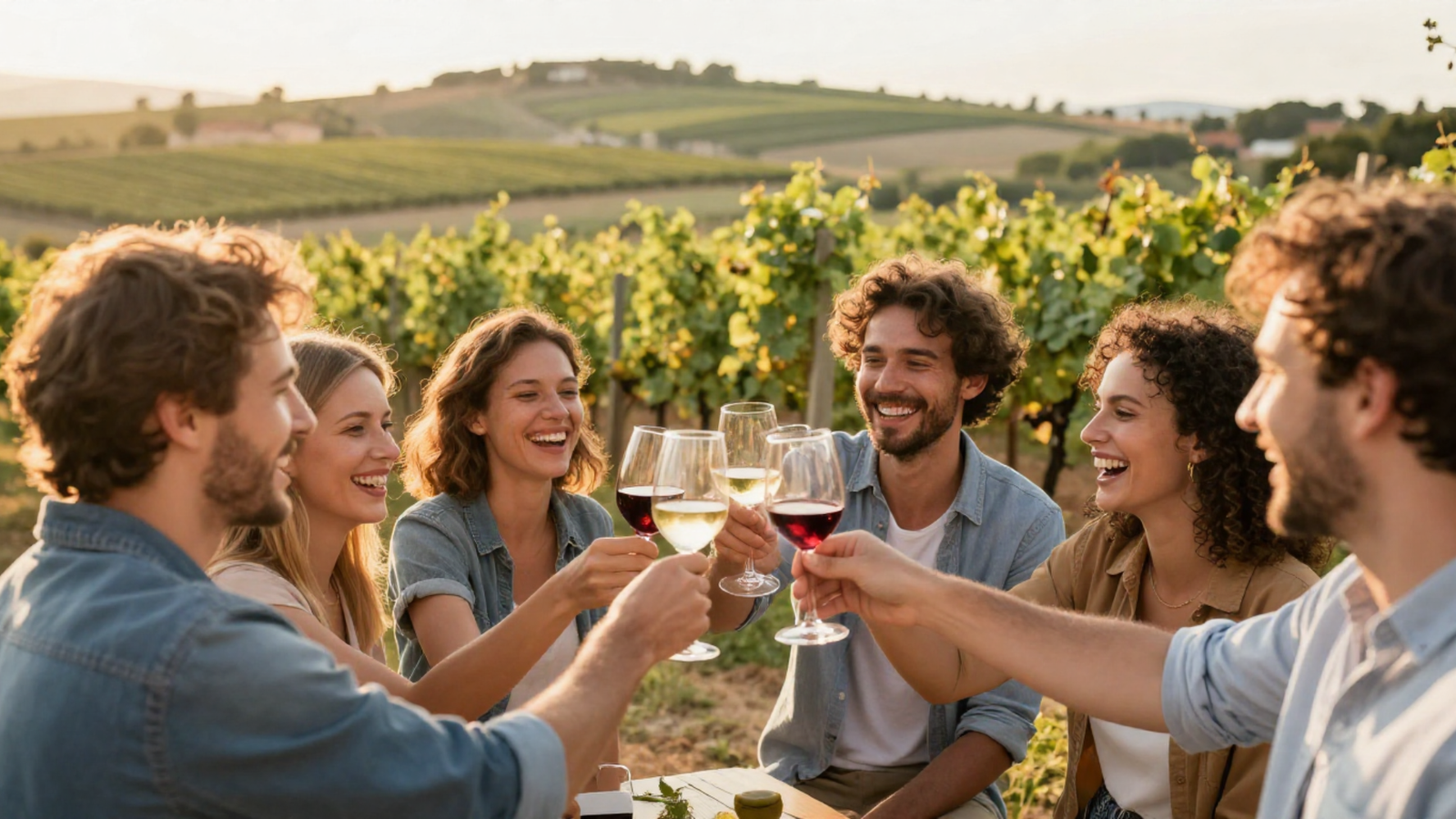
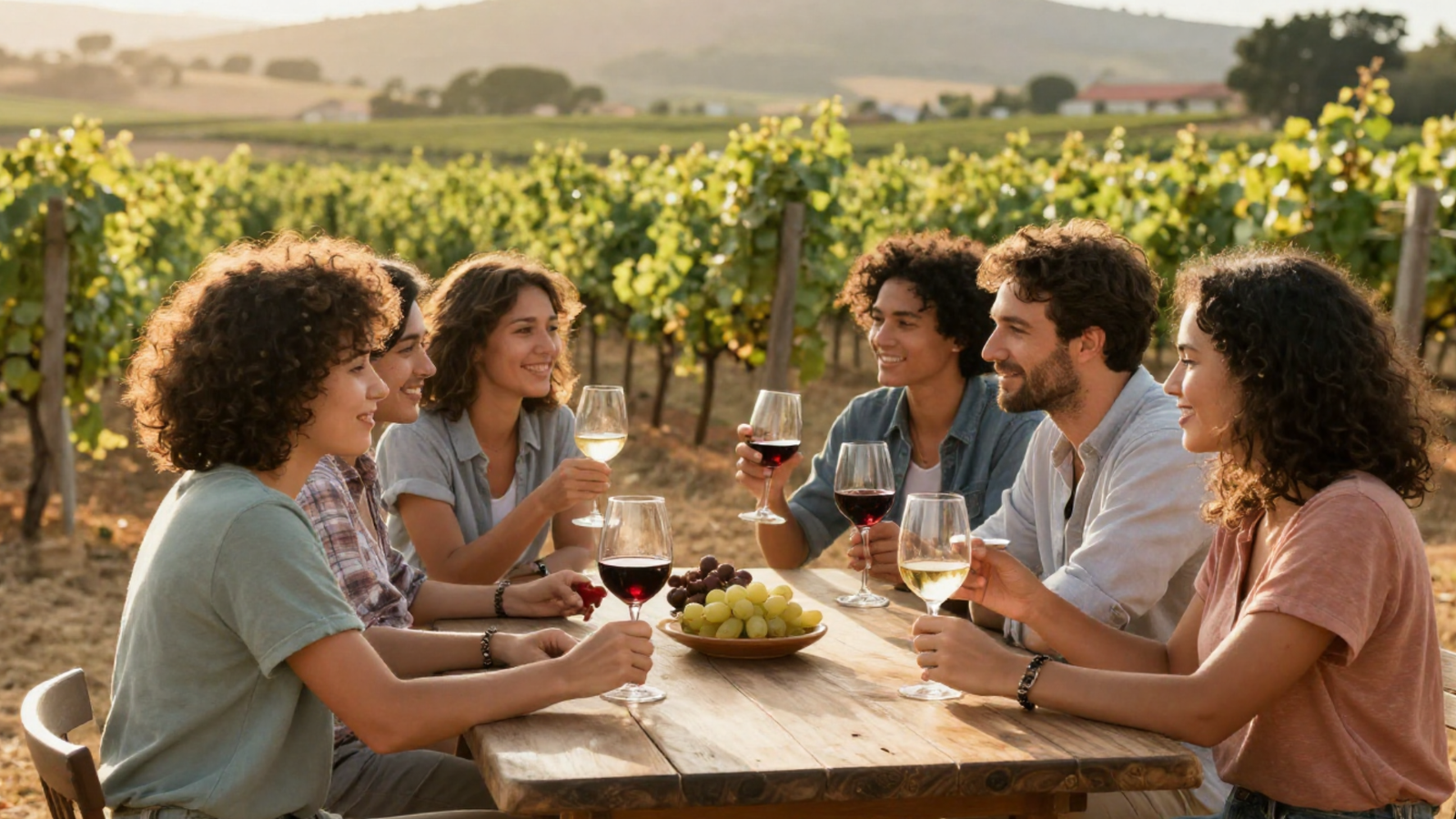
What they want instead is the experience that made them fall in love with craft beverages in the first place: standing in a room that smells like oak and fermentation, talking to the person who actually made what’s in their glass.
What Wine Club Fatigue Actually Looks Like
Wine club fatigue isn’t just about the money, though rising prices certainly don’t help. It’s a compounding disillusionment with the subscription model itself. Consumers report several recurring frustrations:
- Loss of agency: Club members often receive bottles they didn’t pick and don’t love, creating a sense of obligation rather than pleasure.
- Cellar overwhelm: Regular shipments pile up faster than they can be consumed, especially for casual drinkers who joined on impulse during a tasting room visit.
- Weak perceived value: As discounting became normalized across the subscription economy, the “members-only” pricing that once felt exclusive began to feel routine.
- Digital fatigue bleed-over: After years of managing streaming services, meal kits, and wellness boxes, consumers are actively auditing recurring charges — and wine clubs are not always surviving the cut.
The irony is that many of these subscribers originally signed up because of a tasting room visit. They had a great afternoon, fell for a Pinot Gris or a barrel-aged stout or a small-batch rye, and impulsively joined the club at the register. The subscription was supposed to extend that feeling. It often doesn’t — because feelings don’t ship well.
Tasting Rooms as the Ultimate DTC Channel
While subscription numbers wobble, tasting room traffic data tells a different story. Producers across all three categories — wine, beer, and spirits — are reporting stronger on-premise sales and higher average transaction values per visit than they saw pre-pandemic. The tasting room hasn’t just survived the DTC evolution; for many producers, it has become the centerpiece of their entire business model.
Here’s why the in-person experience is winning:
The Decision Is Emotional and Immediate
When a guest stands at a tasting bar and tries a flight of small-batch bourbons, the purchase decision that follows is grounded in real-time sensory experience. They’re not buying something described in an email — they’re buying the memory of the exact moment they tasted it. That emotional anchoring produces higher conversion rates and, critically, higher satisfaction with the purchase. There are no returns, no disappointment when a bottle arrives and doesn’t match expectations. The expectation is the experience.
Producers Control the Full Narrative
In a tasting room, the story of a wine, a cider, a gin, or a lager is told by someone who lived it — the winemaker pouring on a Tuesday afternoon, the distillery tour guide explaining the grain bill, the brewer sketching the hop schedule on a chalkboard behind the bar. That context is irreplaceable, and it creates brand loyalty that no email newsletter can replicate. Producers who invest in hospitality — trained staff, intentional design, food pairings, educational programming — are seeing it translate directly to repeat visitation and word-of-mouth growth.
The Experience Economy Rewards Craft Beverage Venues
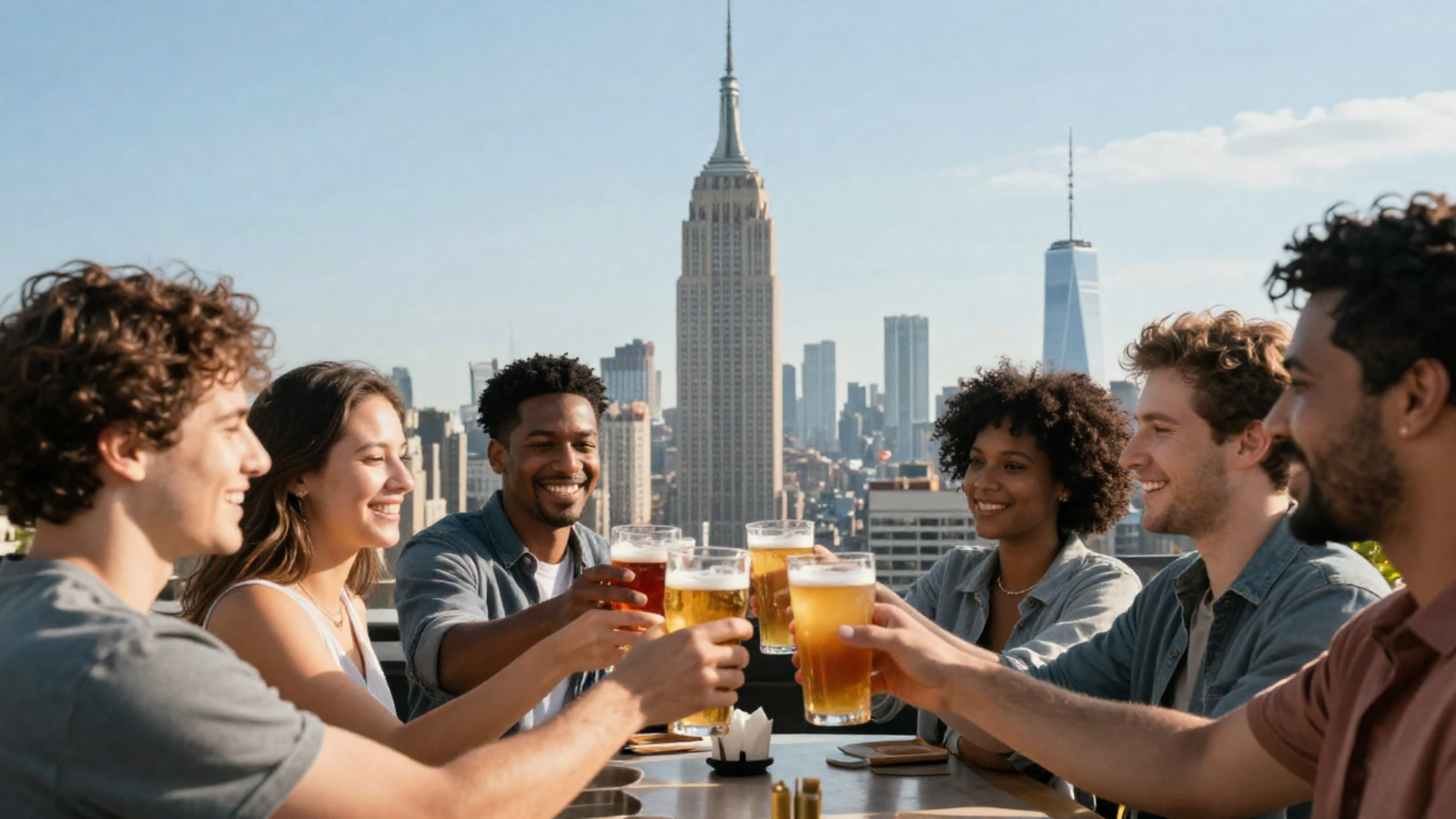
Younger consumers in particular are spending more on experiences and less on things. A Saturday afternoon visiting two or three producers on a wine trail, a brewery district, or a distillery row checks every box: it’s shareable, it’s social, it’s locally rooted, and it generates the kind of authentic content that organic social media algorithms reward. These visits aren’t impulsive — they’re planned, anticipated, and discussed. That’s the kind of relationship with a brand that no monthly subscription box has ever reliably built.
What Smart Producers Are Doing Differently
The most forward-thinking wineries, breweries, and distilleries aren’t abandoning membership programs entirely — they’re reimagining them around the tasting room experience rather than the shipping model.
- Experience-first memberships: Rather than leading with bottles, producers are offering clubs that lead with access — early tastings of new releases, exclusive tours, winemaker dinners, barrel picks. The bottles become a bonus, not the core value proposition.
- Flexible pickup options: Allowing members to pick up their allocations in-person during a visit, rather than defaulting to shipment, turns a logistical transaction into a recurring hospitality moment.
- Event-driven loyalty: Breweries and distilleries especially are finding that ticketed events — release parties, pairing dinners, educational seminars — generate more revenue per head and stronger loyalty than a subscription ever did.
- Passport and trail programs: Regional drink trails and producer passports are surging in popularity, driving first-time visitors to tasting rooms who then become returning customers and, eventually, true fans rather than accidental subscribers.
If you’re looking for tasting rooms worth visiting — whether you’re a beer lover, a wine enthusiast, or a spirits explorer — PourDistrict.com is the national directory built for exactly that kind of discovery. Browse breweries, wineries, and distilleries by region and plan visits that are worth the drive.
The Broader Lesson for Craft Beverage Producers
Wine club fatigue is a symptom, not the disease. The underlying condition is a consumer base that has grown more discerning about where their attention and dollars go — and that has recalibrated what loyalty actually means. Loyalty built through a credit card charge that renews automatically is fragile. Loyalty built through a genuinely great afternoon at a well-run tasting room is something else entirely.
Breweries, wineries, and distilleries that understand this are investing accordingly: in hospitality training, in physical spaces that reward lingering, in programming that gives people reasons to come back and bring friends. They’re treating the tasting room not as a retail annex but as the primary stage for everything their brand represents.
The subscription model isn’t dead — but it’s no longer the default answer to the DTC question. The producers who are winning right now are the ones who remembered that craft beverages were never really about the delivery. They were always about the place, the people, and the pour.
Final Pour
If your wine club signup rate is down and your cancellation rate is up, the solution probably isn’t a better email sequence or a prettier box. It’s a better reason for people to walk through your door. The tasting room has always been your most powerful sales channel. In 2025, it’s also your most powerful retention tool. Invest there first.