The Distribution Playbook Has Changed
For decades, the path to success in the craft beverage industry ran through a familiar set of checkpoints: brew, distill, or ferment a great product, sign with a distributor, and hope your bottles and cans earned shelf space at the local grocery chain. That model still exists. But in 2026, the producers who are actually growing — the breweries adding taproom square footage, the small-batch distilleries turning a profit in year three, the family wineries commanding loyal direct mailing lists — are the ones who have stopped treating distribution as a single strategy and started treating it as a portfolio of options.
What’s driving the shift? A combination of forces that have been building for years: tighter retail shelf competition, evolving three-tier regulations in key states, the lasting behavioral changes from the pandemic era, and a maturing consumer base that now actively seeks out experiences at the source. The result is a craft beverage landscape where distribution strategy is just as important as the liquid in the bottle.
Self-Distribution: Freedom With a Price Tag
Self-distribution — where a producer handles their own logistics, sales, and delivery without a third-party wholesaler — has always been legal in a handful of states and newly permitted in several more following recent legislative changes. For the right operation, it’s a genuine competitive advantage. For the wrong one, it’s a fast track to burnout.
The producers making self-distribution work in 2026 share a few key traits:
- They treat sales as a core competency. Successful self-distributing breweries like regional operations in Colorado and Virginia have dedicated sales staff whose only job is building and maintaining account relationships — a function that gets swallowed by production priorities when it isn’t given its own budget and headcount.
- They are ruthlessly selective about accounts. Rather than chasing every restaurant and bottle shop in a 200-mile radius, high-performing self-distributors identify their top 30 to 50 accounts, serve them exceptionally well, and grow from that base. Volume without margin is a trap.
- They leverage technology. Route-optimization software, direct-to-consumer e-commerce platforms, and CRM tools built for small beverage businesses have matured considerably. A two-person distillery can now manage delivery logistics that would have required a full operations team five years ago.
The honest downside? Self-distribution is capital-intensive and time-consuming. A craft winery moving into new metro markets will find that cold-call account acquisition is a full-time job. Producers who underestimate that reality tend to either burn out their founding team or quietly retreat back to wholesale after eighteen months. Eyes open before you sign your own trucks.
Regional Partners: Choosing Smarter, Not Just Bigger
The wholesale distribution tier hasn’t disappeared — it has consolidated. National and super-regional distributors now control enormous portions of the market in most states, and their portfolio sizes make it genuinely difficult for a craft producer to get mindshare from their sales team. This is not news. What is changing is how craft producers respond to it.
The most effective approach in 2026 is what some industry consultants are calling right-sizing the relationship: matching the scale of your distribution partner to the scale of your ambitions in a given territory, rather than defaulting to the largest available wholesaler because it feels like validation.
What to Look for in a Regional Partner
- Portfolio fit. A distributor whose book skews toward premium spirits or independent wine will give your brand more natural context and more motivated sales reps than a broadline distributor where you’re one SKU among thousands.
- Market coverage that actually matches your goals. If you’re a distillery in Tennessee looking to grow in Nashville and Memphis specifically, a distributor with deep penetration in those urban markets is more valuable than one covering the whole state with shallow relationships everywhere.
- Contractual flexibility. Some states allow producers to negotiate exit clauses or performance benchmarks into distribution agreements. Use them. The horror stories in craft beverage — brands stranded with underperforming distributors they can’t legally leave — are real and still happening.
- A rep who answers the phone. It sounds simple, but responsiveness is among the most reliable indicators of how a distributor will treat your brand when the meeting with a buyer happens and you’re not in the room.
Craft wineries, in particular, have pioneered some creative approaches here. The direct-to-consumer wine shipping landscape has expanded dramatically, and many small producers now treat their wholesale distribution relationship as a brand-building tool in key markets rather than their primary revenue engine. Getting on a wine list at a well-regarded restaurant in Chicago or Atlanta generates the kind of word-of-mouth that sustains a mailing list — and it’s the mailing list that pays the bills.
Taproom-First: The Model That Changed Everything
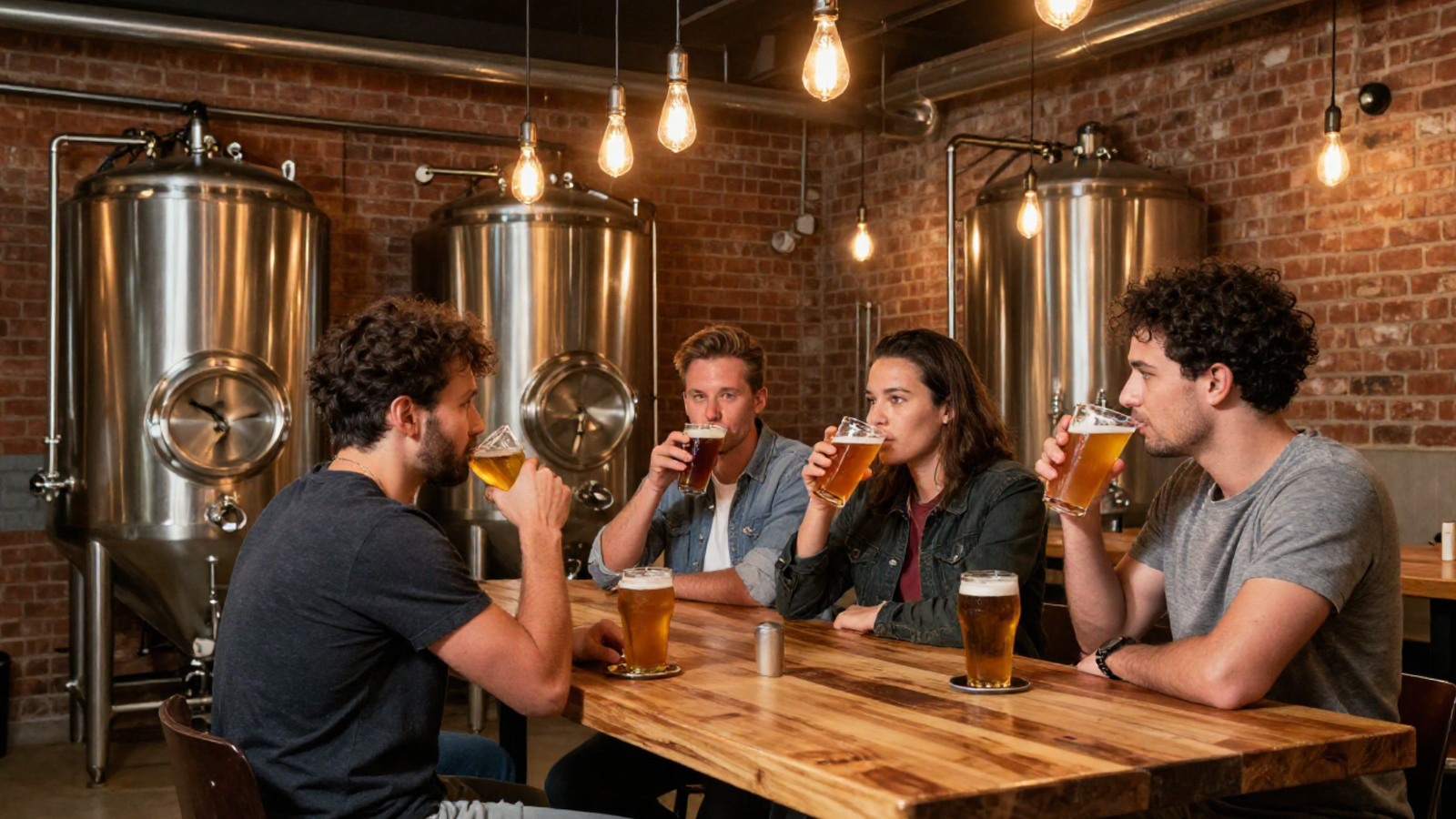
If there is a single structural innovation that defines craft beverage success in this decade, it is the deliberate, unapologetic prioritization of on-premise sales at the producer’s own location. The taproom-first model — built around strong destination experiences, high-margin pint and glass sales, and an activated retail shelf of packaged product — has proven itself not just in brewing but across the full spectrum of craft production.
Craft distilleries that have invested in cocktail lounges and tasting experiences report on-premise margins that are three to four times higher than what they capture through wholesale channels. Wineries with strong tasting room programming — weekend events, seasonal releases, wine club member previews — routinely generate the majority of their annual revenue without a single distributor invoice. Breweries that anchor local identity through their taproom culture sustain loyal customer bases that follow them into retail because of the relationship built on-site.
Building a Taproom-First Operation That Actually Works
- Experience is the product. Consumers in 2026 are not making a special trip to your brewery or distillery just to buy something they could order online. They’re coming for a story, a sense of place, and an interaction with the people who made what they’re drinking. Staff training, physical environment, and programming all matter as much as the liquid.
- Capture data at the point of sale. Every taproom visit is an opportunity to build a direct relationship. Email capture, wine or spirits club enrollment, and loyalty programs convert one-time visitors into recurring revenue that exists entirely outside the three-tier system.
- Extend the visit into take-home sales. A strong retail presence at the taproom — well-merchandised, with limited and exclusive formats not available in distribution — dramatically increases per-visit revenue and sends customers home with your brand in their hands.
The taproom-first model is not without constraints. Zoning, staffing, and the ongoing cost of programming are real. Producers in rural or suburban locations face different foot-traffic realities than those in urban cores. But the directional trend is clear: the producers building durable businesses are investing in the experience of coming to them.
The Blended Approach Is Winning
The most important takeaway from how craft producers are navigating distribution in 2026 is that the best-performing operations are not picking one lane. They are running a blended model — taproom-first for margin and brand equity, selective regional distribution for market reach and on-premise visibility, and self-distribution or DTC channels where regulations allow and economics make sense.
This requires more strategic clarity than simply signing with a distributor and hoping for the best. It requires producers to understand their own numbers, know which channels actually generate profit versus just revenue, and make deliberate decisions about where to invest their limited time and capital.
If you’re looking for craft producers in your region who are getting this right — breweries, wineries, and distilleries worth visiting and worth supporting — PourDistrict is the place to start. Browse the full national directory to find standout producers near you or in your next travel destination.
The craft beverage industry is more competitive than it has ever been. The producers who treat distribution as a strategic function — not an afterthought — are the ones who will still be pouring in 2030.