The Craft Beverage Cycle Is Turning — Again
Every few years, the craft beverage world undergoes a quiet revolution. Styles that once commanded premium shelf space start gathering dust. Taprooms that built entire identities around one flavor category find themselves recalibrating their menus. And drinkers — more informed and more adventurous than ever — move on before the industry can catch up.
In 2026, that shift is unmistakable. Several craft beer styles that dominated the conversation over the past decade are cooling off. They are not disappearing entirely, but they are no longer commanding the cultural authority they once did. Meanwhile, parallel movements in wine and spirits are influencing how beer drinkers think about flavor, sessionability, and what they actually want from a night out.
Here is an honest look at which styles are losing steam, why it is happening, and where the energy is going next.
IPA Fatigue Is Real — But It Is Complicated
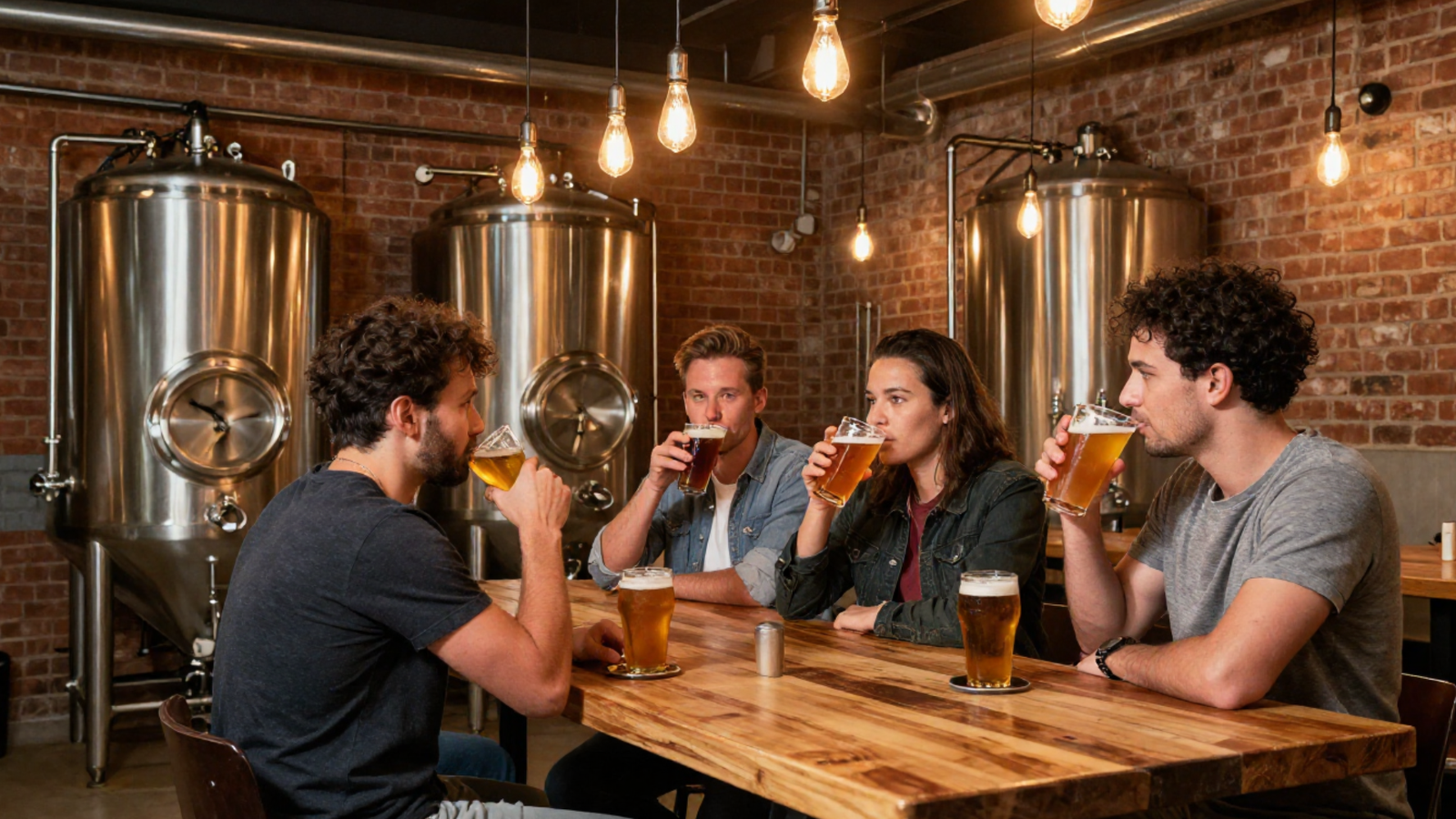
Let’s be clear: IPAs are not dying. They remain the best-selling craft beer category in the United States by volume. But the era of the hazy, double-dry-hopped, 8% ABV New England IPA as the undisputed crown jewel of the taproom is fading. Consumer data and taproom operator conversations consistently tell the same story heading into 2026 — drinkers are reaching for lower-ABV options more often, and the hyper-tropical, milkshake-adjacent IPA that defined the late 2010s and early 2020s feels, to many palates, like it has peaked.
What is replacing it? Session IPAs, cold IPAs, and West Coast IPAs are experiencing a genuine revival. The crisp, bitter, and dry character of West Coast styles — long written off as too aggressive during the haze era — is resonating again with drinkers who want clarity in the glass and definition in the finish. Cold IPAs, fermented with lager yeast at cooler temperatures, are threading the needle between hop-forward character and clean drinkability in a way that feels fresh without being gimmicky.
What Taprooms Are Reporting
Brewery owners across the country report that their double and triple IPAs are moving slower than they did three years ago, while lighter, lower-alcohol IPAs are increasingly the first kegs to kick. The consumer appetite for intensity has not vanished — it has simply migrated toward flavor complexity rather than sheer alcoholic power.
Pastry Stouts: The Hangover Is Setting In
Few styles embody the excess of early 2020s craft beer culture more completely than the pastry stout — those 12 to 14% ABV behemoths loaded with lactose, vanilla, coconut, marshmallow, and whatever dessert concept the brewer could dream up. For a few years, limited pastry stout releases generated lines around the block and eye-watering secondary market prices.
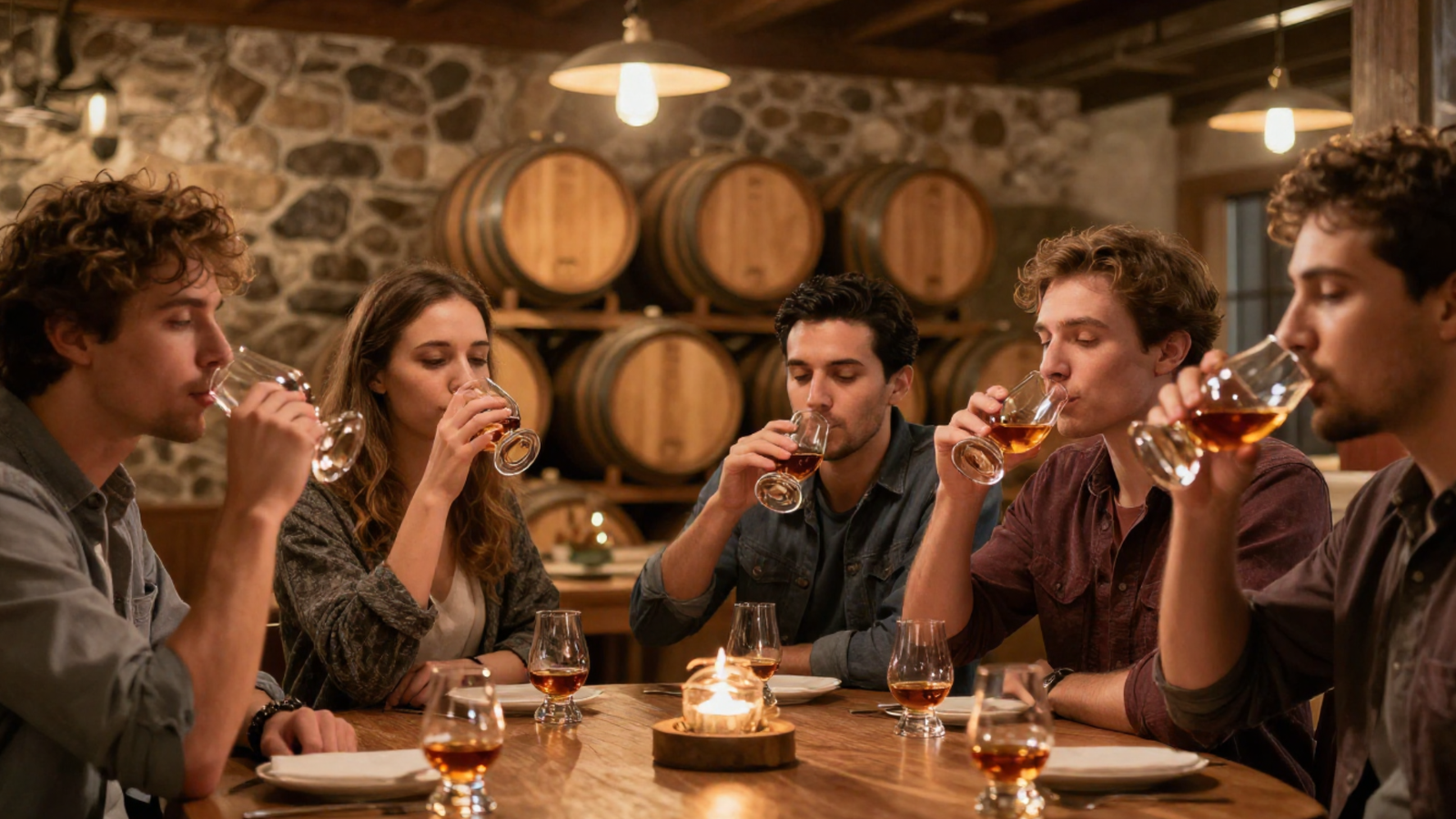
In 2026, the bloom is significantly off that rose. The collectors who drove the hype have largely moved on, and casual drinkers were never the core audience to begin with. More importantly, the craft spirits world has stepped into the indulgent sip lane that pastry stouts once owned. Small-batch bourbon releases, cask-finished single malts, and high-end rum expressions now compete directly for the discretionary dollar of the enthusiast who wants something luxurious and collectible. Browsing PourDistrict’s nationwide directory of craft breweries, wineries, and distilleries makes clear just how many new distilleries are positioning premium aged spirits as the elevated after-dinner experience that pastry stouts once promised.
Traditional imperial stouts — complex, roasty, and less reliant on adjunct overload — are holding their ground. The concept of a serious dark beer is not fading. The dessert-cart execution of it is.
Sours and Kettle Sours: From Revolution to Wallpaper
When kettle souring technology became widely accessible in the mid-2010s, it democratized a style that had previously required complex spontaneous fermentation or years of barrel aging. Suddenly, every brewery could produce a pink, fruited, tart beer in days rather than months. Consumers loved it — for a while.
By 2026, the kettle sour has become the craft beer equivalent of the over-oaked Chardonnay of the 1990s: overproduced, predictable, and in need of a reset. Drinkers who discovered sours through approachable fruited versions are now curious about what lies beneath the fruit punch surface. Traditional Berliner Weisses, complex Flanders red ales, and authentic spontaneous lambics from domestic producers inspired by Belgian tradition are drawing renewed interest from drinkers who want acidity with genuine character rather than just tartness with added sugar.
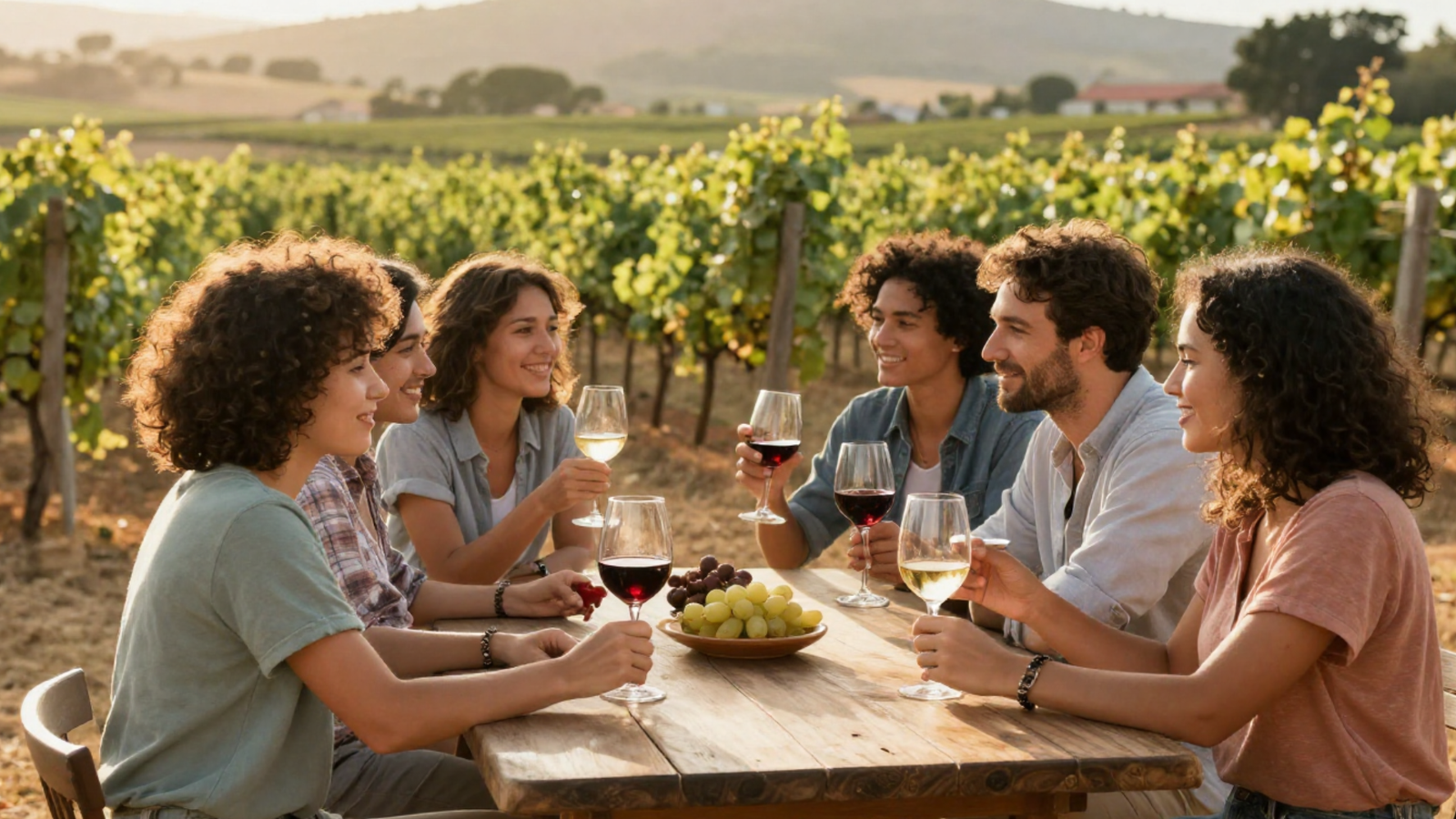
The wine world is instructive here. Natural wine’s embrace of volatile acidity, skin contact, and controlled oxidation has trained a generation of younger drinkers to appreciate complexity over accessibility. That sensibility is bleeding directly into how adventurous craft beer drinkers evaluate sour ales in 2026.
Experimental and Collaboration Releases: Diminishing Returns
The era of the cross-category collaboration — brewery plus bakery, distillery plus brewery, winery plus cidery — produced some genuinely exciting beverages. It also produced a lot of novelty for novelty’s sake. As consumers grow more discerning about where they spend their discretionary beverage dollars, the burden of proof on experimental releases has gotten heavier.
Releases that cross categories need a genuine reason to exist in 2026, not just a compelling social media caption. Breweries that have built real relationships with local distilleries to produce barrel-aged beers with authentic provenance — specific barrels, named farms, documented grain sourcing — are finding enthusiastic audiences. Projects that simply place two brand names on a label without a story behind the liquid are struggling to generate the excitement they once did.
What Is Actually Growing: The Lager Renaissance
If one trend defines 2026 in craft beer, it is the full-throated embrace of well-made lager. Pilsners, Munich Helles, Czech-style světlý ležák, and American lagers made with serious craft intention are appearing on tap lists where they would have been dismissed as commercial concessions just five years ago. Drinkers are discovering that technical excellence — clean fermentation, precise water chemistry, quality grain — is as impressive in its own way as experimental adjunct complexity.
The lager movement also reflects a broader shift happening across the entire craft beverage landscape. In wine, natural and low-intervention expressions with restrained alcohol are gaining shelf space at an accelerating pace. In spirits, unaged or lightly aged expressions — white ryes, new make whiskeys, agricole rums — are attracting drinkers who want to taste the raw material rather than the barrel. Across all three categories, the direction is the same: less hiding behind intensity, more confidence in the base product.
For drinkers ready to explore what is new and what is next across craft beer, wine, and spirits, discovering local craft breweries on PourDistrict is a practical starting point — taproom menus and featured releases reflect regional trend adoption faster than retail shelves do.
What This Means for Producers
Breweries navigating 2026 are making difficult menu decisions. Dropping a style that built your reputation carries real risk. But holding onto a fading format because it once worked carries a different kind of risk — the slow erosion of relevance. The producers best positioned for this moment share a few qualities:
- Doubling down on drinkability: Lower ABV, clean fermentation, and sessionable formats are where consumer behavior is pointing across all craft beverage categories right now.
- Earning the experimental release: Novelty for its own sake is losing purchase with consumers. Provenance, story, and genuine craft rationale matter more than they did even two years ago.
- Watching adjacent categories: What natural wine enthusiasts are drinking and what craft spirits collectors are chasing are meaningful signals for where beer’s most engaged drinkers are heading next.
- Investing in lager: The upfront technical demand of well-made lager is real, but the payoff in consumer enthusiasm and on-premise placement is increasingly evident across the country.
The Bigger Picture
Trend cycles in craft beverages are not verdicts — they are conversations. The styles losing momentum in 2026 are not failing because they were bad ideas. Many were genuinely innovative at the moment they emerged. They are fading because consumer tastes evolve, markets fill with imitators, and the novelty that once drove excitement becomes the expectation that drives boredom.
The producers who thrive through cycles like this one are not the ones who chased every trend on the way up. They are the ones with enough self-awareness to read where the conversation is going — and the craft to make something worth talking about when they get there.