
Why the World Beer Cup Still Matters
In an era when craft beverage awards have multiplied to the point of near-meaninglessness, the World Beer Cup remains the genuine article. Organized by the Brewers Association and held biennially, it draws entries from thousands of breweries across more than 100 countries, judged blind across nearly 100 style categories. A gold medal here is not a participation trophy. It is a legitimate signal that a brewery has produced something exceptional — and that it can compete on the world stage.
For enthusiasts who want to drink intentionally, the results list functions as a curated travel and purchasing guide. Sorted by style and geography, it tells you exactly where to go and what to order. So let’s cut through the full results and pull out the standouts worth your time, your miles, and your money.
American Lager Styles: The Quiet Revolution Continues
If you still think of American lager as the domain of Big Beer, the World Beer Cup results will correct that assumption in a hurry. The light lager and American-style lager categories have become fiercely competitive as craft breweries have invested in lagering infrastructure and the technical discipline these styles demand.
Gold-medal performances in these categories tend to come from breweries that are willing to embrace restraint — sessionable alcohol, impeccable clarity, and a clean finish that actually takes skill to achieve. Several recent winners hail from the Midwest and Mountain West, where lager culture has deep historical roots and brewers are leaning into that heritage with modern precision.
- What to look for: Breweries winning in American-style light lager and pre-Prohibition lager categories are often prioritizing process over novelty. These are beers built to be drunk, not displayed.
- Why it matters beyond beer: The technical rigor of lager brewing is influencing craft spirits producers too — notably whiskey distillers who are applying similar patience-and-precision philosophy to barrel aging. The craft beverage industry, taken as a whole, is trending toward mastery over gimmick.
IPAs: Still the Category That Defines American Craft
No honest survey of the World Beer Cup can ignore IPAs. They dominate entry numbers and capture enormous public attention. But within that crowded field, the medal results consistently reward breweries that understand balance — bitterness that serves the beer rather than punishing the drinker, and hop aromatics that are vivid without being synthetic.
Hazy and Juicy IPAs
The New England IPA category — formally designated as Juicy or Hazy India Pale Ale — has matured considerably. Early-era hazies were often murky and soft to a fault. Medal-winning examples today demonstrate that you can have lush tropical and stone-fruit aromatics while maintaining enough structure and drinkability to justify a second pour. Breweries in New England, the Mid-Atlantic, and the Pacific Northwest continue to trade gold medals in this space, with several smaller regional operations punching well above their production weight.
West Coast and American IPAs
The West Coast IPA resurgence is real, and the World Beer Cup has validated it. Crisp, dry, resinous, and unabashedly bitter — these are beers that remind you why the style captured the American palate in the first place. California, Oregon, and Colorado breweries have been particularly strong here, with some gold-medal winners operating out of taprooms rather than regional distribution networks. That means if you want the freshest version of these award-winning beers, you may need to show up in person.
- Session IPAs have also found their footing in recent competition, with medal winners demonstrating that lower ABV doesn’t mean lower ambition.
- Imperial and Double IPAs reward breweries that can manage massive hop loads without tipping into harsh or alcoholic territory — a genuine technical challenge that separates good from great.
Stouts, Porters, and Dark Beers: Where Craft Gets Serious
Dark beer categories at the World Beer Cup are where you often find the most technically accomplished entries — and some of the most surprising geographic results. Robust porter and stout gold medals have gone to breweries in states not traditionally associated with dark beer culture, including parts of the South and Upper Midwest where local ingredients and creative barrel programs are producing genuinely distinctive results.
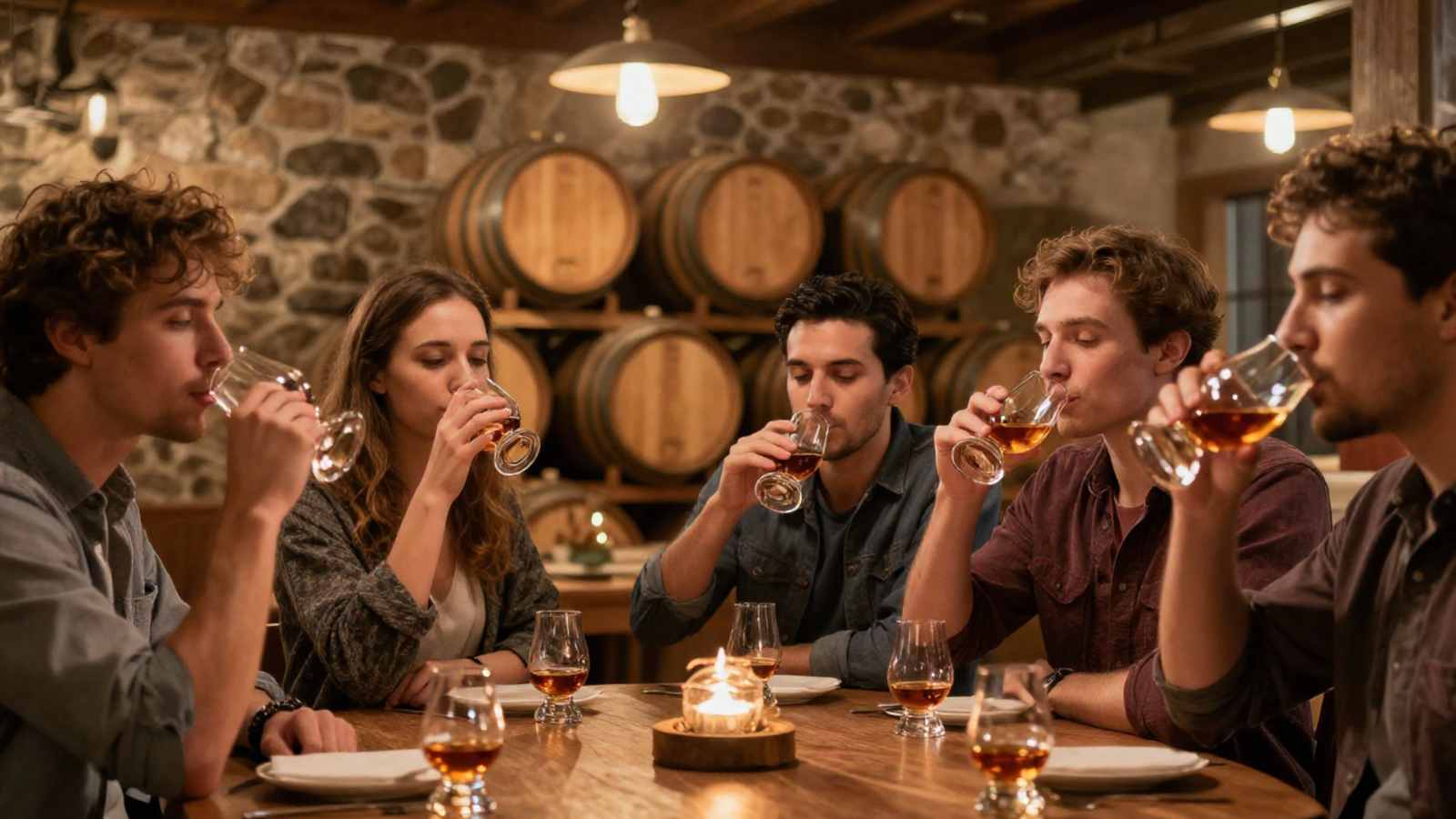
Barrel-aged imperial stouts deserve particular mention. These are among the most labor-intensive beers in craft production — sometimes spending over a year in spirit barrels before release. When they win medals, it typically reflects both the quality of the base beer and the thoughtfulness of the barrel selection. Several award-winning examples have been finished in bourbon and rye whiskey barrels sourced from craft distilleries in the same region, creating a genuine cross-category conversation between the craft beer and spirits worlds.
This intersection is worth paying attention to. As craft distilleries have matured and their barrel programs have grown, the quality of wood available to local breweries has improved correspondingly. A great barrel-aged stout in 2024 often has a great craft distillery behind it, even if that partnership never appears on the label.
Wheat Beers and European Styles: Underrated Medal Opportunities
Categories like German-style Hefeweizen, Witbier, and Kölsch-style ales don’t generate the same social media heat as IPAs or pastry stouts, but they consistently produce some of the most impressive medal performances at the World Beer Cup. These are styles with strict traditional parameters and very little room to hide technical flaws. Winning here signals a brewery that has internalized old-world process discipline — a trait that tends to elevate everything else they produce.
Hefeweizen gold-medal winners in particular are worth seeking out. Authentic banana and clove character derived from proper yeast management — not additives — is harder to achieve than it sounds, and the breweries that nail it are often small enough that their beer never travels far from the taproom.
How to Use the Results as a Discovery Tool
The full World Beer Cup results list is publicly available through the Brewers Association, but navigating it efficiently takes some practice. Here’s how to get the most out of it as a craft beverage enthusiast:
- Filter by state first. If you’re planning travel or simply want to support local producers, start with your region and work outward. You may be surprised how many medal winners are within driving distance.
- Look beyond gold. Silver and bronze medals in highly competitive categories often represent beers that outperformed the vast majority of entries. A bronze in American IPA is more meaningful than a gold in a category with five entrants.
- Cross-reference with taproom availability. Many medal-winning beers are taproom-only releases. Finding the brewery means finding the beer at its freshest and most intentional.
- Use a directory to plan efficiently. Tools like PourDistrict make it easy to locate award-winning breweries by region, so you can build a tasting itinerary around verified craft producers rather than guessing at what’s nearby.
The Bigger Picture: What These Awards Tell Us About Craft Beverage Culture
The World Beer Cup results, taken in aggregate, tell a story about where American craft is heading. The rise of technical lagers signals maturity. The continued strength of IPAs across subcategories shows that innovation within a style is more durable than the constant invention of new ones. And the growing quality of barrel-aged and dark beers reflects a craft industry that has had enough time to accumulate the infrastructure — and the barrels — to play a long game.
What’s most encouraging is the geographic spread of recent medal winners. Award-winning craft beer is no longer concentrated in a handful of coastal markets. It’s coming out of the Appalachians, the Great Plains, the Gulf Coast, and the Mountain West. That decentralization mirrors what’s happening across the broader craft beverage landscape, where wine regions beyond Napa and spirits producers outside Kentucky are earning genuine recognition.
If you want to drink the best of what American craft has to offer — beer, wine, or spirits — the awards circuit is a useful compass. And finding the breweries behind those medals is now easier than ever. The only thing left is to go.