Why Fall Is the Craft Beverage Industry’s Most Exciting Season
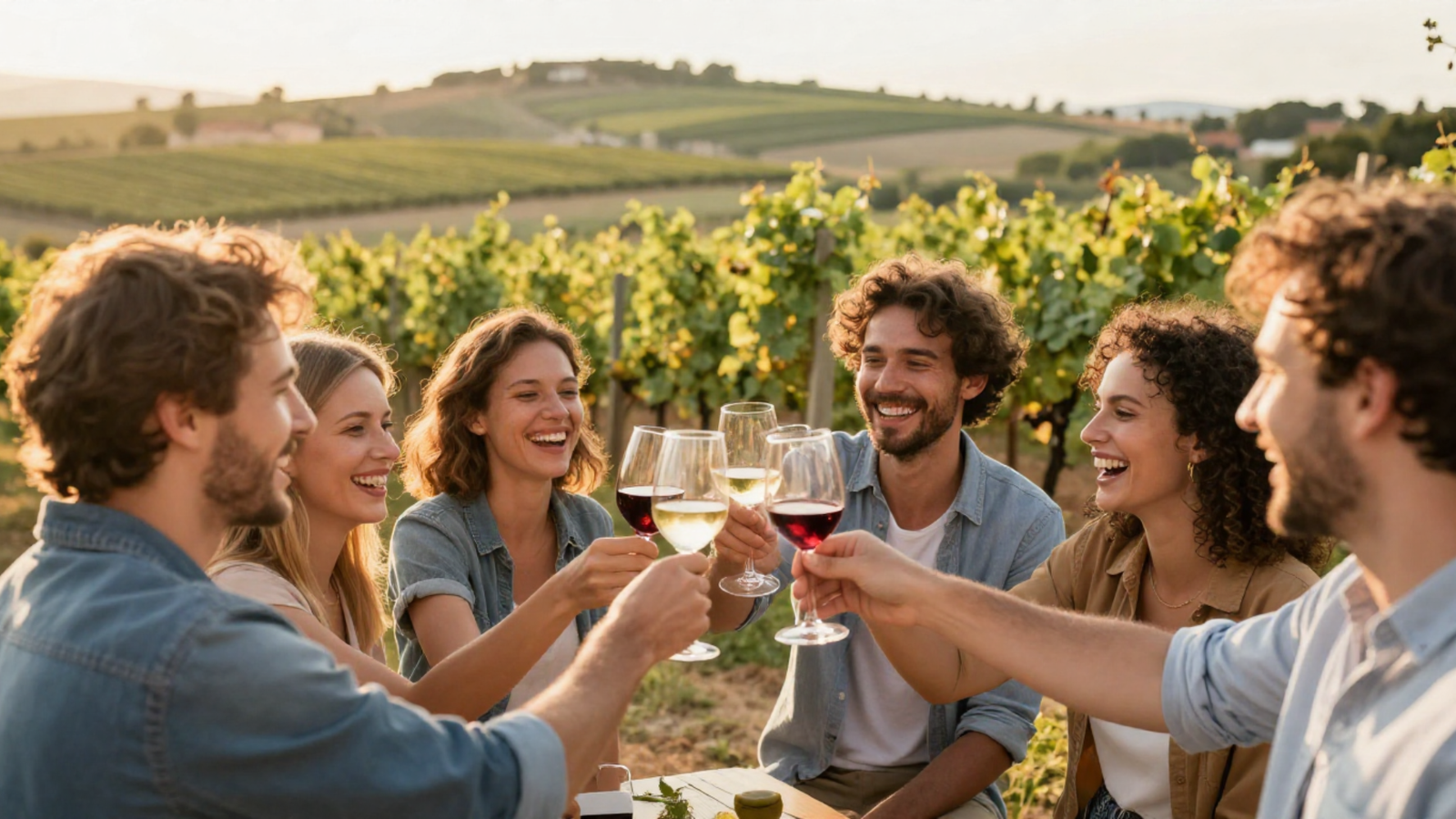
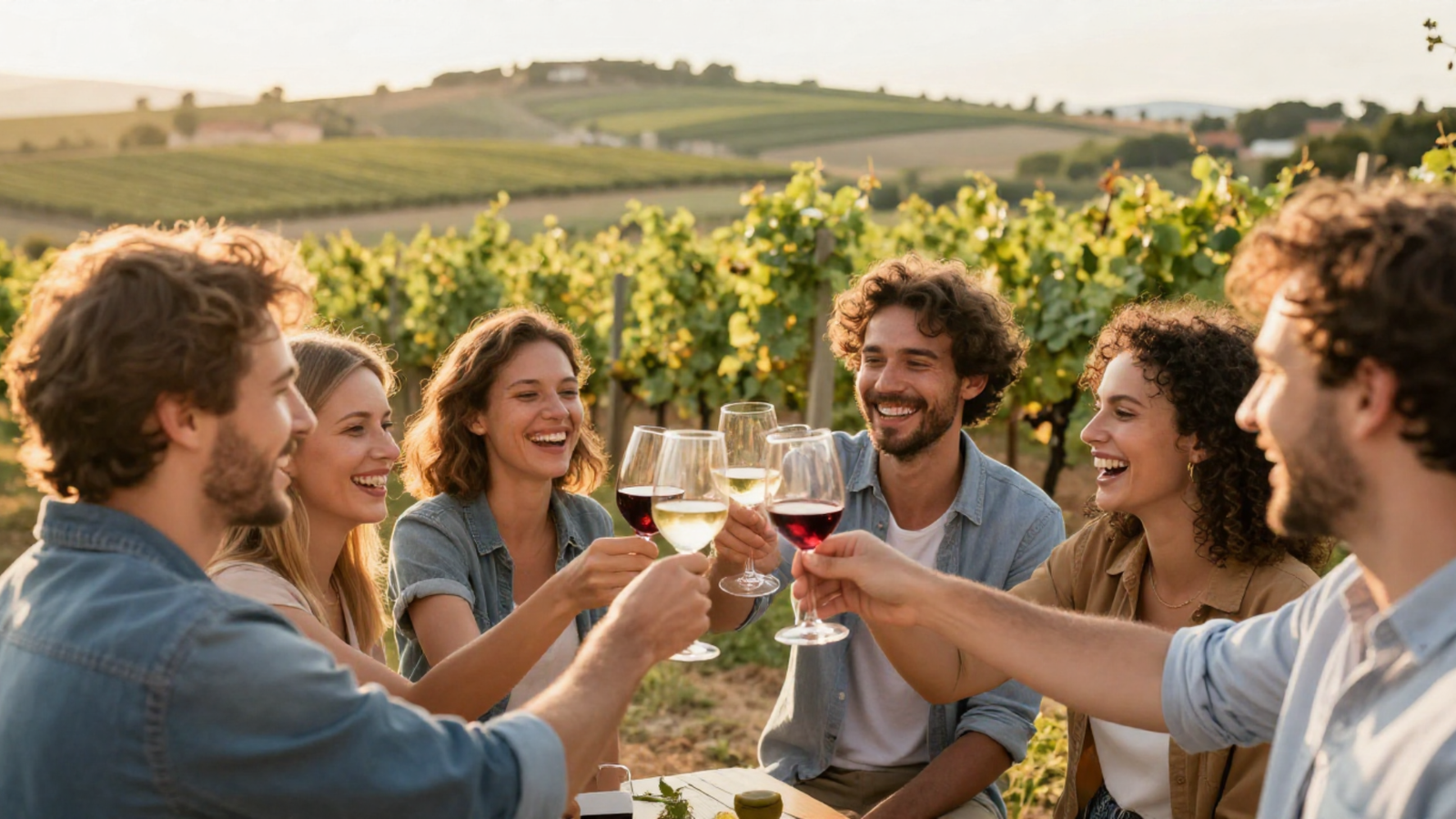
There’s a particular electricity in the air when September arrives — and if you’ve ever stood at the edge of a vineyard while harvest crews move between the rows at dawn, you already know what we mean. Crush season, the annual window when wine grapes are picked, sorted, and pressed into the year’s new vintage, is one of those rare agricultural events that doubles as a cultural experience. But the celebration extends well beyond the vineyard. Across the country, fall is when breweries tap their Märzens and wet-hop ales, distilleries release limited small-batch whiskeys aged through a full summer, and cider producers finally bring in their orchard hauls. It is, without question, the most rewarding season to be a craft beverage enthusiast.
This guide is your roadmap to the harvest festivals, crush weekends, and seasonal tasting events worth planning a trip around — coast to coast, across wine, beer, and spirits.
Crush Season in the Major Wine Regions
Harvest timing varies by region, grape variety, and vintage conditions, but as a general rule, August through October represents the window when America’s wine regions are most alive. For visitors, that means access to events and experiences that simply don’t exist at any other time of year.
Napa and Sonoma, California
California’s North Coast wine country is synonymous with crush season, and for good reason. Napa Valley hosts its legendary Napa Valley Wine Festival events throughout October, while individual wineries open their crush pads and barrel rooms to guests in ways that feel genuinely intimate despite the region’s global profile. In Sonoma County, look for harvest-themed dinners paired with newly pressed juice — called “must” — which offers a sensory experience impossible to replicate from a finished bottle. Alexander Valley and Dry Creek Valley are particularly strong draws for Zinfandel harvest experiences.
Willamette Valley, Oregon
Oregon’s Willamette Valley has quietly become one of the most visitor-friendly wine regions in North America, and fall seals the case. The Willamette Valley Wineries Association coordinates a Harvest Celebration weekend each October that opens dozens of family estates to the public simultaneously. Pinot Noir harvest here is a precise, high-stakes affair — the narrow ripening window and cool maritime climate mean winemakers are making critical calls daily — and attending during this window gives you a front-row seat to that decision-making intensity.
Finger Lakes, New York
Few wine regions in the country offer a harvest experience as scenically dramatic as New York’s Finger Lakes. Set against the backdrop of glacially carved lakes and fiery fall foliage, the region’s Riesling and Gewürztraminer harvest typically runs from late September into October. The Finger Lakes Wine Festival is one of the largest consumer wine events on the East Coast, drawing producers from across the region for tastings, vineyard tours, and winemaker seminars. For those who want a quieter experience, many smaller estates along Seneca and Cayuga Lakes offer harvest volunteering programs — a hands-in-the-dirt way to genuinely understand the craft.
Texas Hill Country
Texas doesn’t always get the national attention it deserves in wine circles, but the Hill Country appellation is producing serious bottles and even more serious harvest events. The region’s warm climate means an earlier crush — often August and September — and wineries like Pedernales Cellars and William Chris Vineyards have built robust harvest programming around that timing. Fall in the Hill Country is also an excuse to combine wine with Texas barbecue, which is a pairing argument we will not be entertaining debate on.
Autumn Beer Events Worth the Drive
While the wine world gets most of the harvest narrative, craft breweries are running their own seasonal playbook — and the beer events of fall are some of the most beloved on the annual calendar.
Wet-Hop Festivals
Wet-hop, or fresh-hop, ales are brewed with hops that go directly from the bine to the brew kettle within 24 hours of harvest — no drying, no pelletizing. The result is a beer with a uniquely fresh, almost grassy floral quality that disappears once the hops are processed. The Pacific Northwest leads this category: Washington’s Yakima Valley, which produces roughly 75 percent of the country’s hops, hosts several fresh-hop festivals each September, including the Yakima Fresh Hop Ale Festival, where dozens of breweries pour beers brewed exclusively with Valley hops. It is a legitimately seasonal, legitimately local beer experience.
Oktoberfest and Märzen Releases
American craft breweries have embraced Oktoberfest culture enthusiastically, and the result is a nationwide calendar full of outdoor festivals, biergarten pop-ups, and limited Märzen releases throughout September and October. Cities with strong German brewing heritage — Milwaukee, Cincinnati, St. Louis, and Denver — host some of the largest events, but even neighborhood taprooms in smaller markets are tapping seasonal lagers worth seeking out.
Distillery Harvest Releases and Fall Events
The spirits world has its own harvest calendar, though it operates on a longer timeline than beer or even wine. Fall is when many American whiskey and bourbon distilleries release their most anticipated limited expressions — bottles that have been aging through the heat of summer, which accelerates the extraction of flavor compounds from the wood.
Craft distilleries are also increasingly sourcing grain and fruit locally, which ties them directly to the harvest cycle. Apple brandy and calvados-style spirits, in particular, are having a major moment in the American market, with producers in Vermont, Washington State, and the Mid-Atlantic using fall orchard harvests as both raw material and marketing event. Distilleries like Laird’s in New Jersey — America’s oldest licensed distillery — and newer producers like Westward Whiskey in Oregon are using harvest-season events to connect consumers with the agricultural roots of their products in ways that feel authentic rather than performative.
How to Plan a Harvest Season Trip
Whether you’re targeting a specific wine region, a fresh-hop festival, or a distillery release weekend, a few planning principles will significantly improve your experience.
- Book accommodations early. Harvest season is peak travel time across wine country. Lodging in Napa, the Willamette Valley, and the Finger Lakes fills months in advance for October weekends.
- Check event calendars in late August. Many wineries and breweries don’t finalize their harvest event programming until they have a clearer picture of how the season is shaping up. Mid-to-late August is the sweet spot for locking in your itinerary.
- Prioritize smaller producers. The harvest events at family-owned estates and independent breweries tend to offer more access — to the winemakers, the cellar, and the tanks — than events at larger commercial operations.
- Go on a weekday if you can. Weekend harvest festivals are crowded by design, but many wineries offer private crush experiences, barrel tastings, and vineyard walks on weekdays for a fraction of the noise and twice the intimacy.
- Bring a designated driver or book a tour. This one should be obvious, but harvest regions concentrate a significant amount of tasting into a small geographic area. Plan accordingly.
Find Harvest Events Near You on PourDistrict
The challenge with harvest season isn’t finding things to do — it’s narrowing the list down to what’s actually worth your time and travel budget. That’s where PourDistrict comes in. Our national directory covers breweries, wineries, and distilleries across every state, making it easy to discover what’s happening in a specific region, browse producers by category, and plan a trip around the experiences that matter most to you.
Whether you’re a seasoned wine country veteran or attending your first harvest festival this fall, the directory is your starting point. Explore craft beverage producers near you and start building your autumn itinerary before the best weekends fill up.
The Bottom Line: Fall Belongs to Craft Beverage
No other season delivers the combination of sensory richness, agricultural urgency, and genuine community that defines the craft beverage world in fall. Crush season is not a marketing construct — it is a real, time-limited window into how wine, beer, and spirits are actually made, and the producers who invite you in during this period are offering something that cannot be replicated in a tasting room in February. If you love what goes into your glass, fall is the season to get closer to where it comes from.